Best Home Gym Equipment Under $200
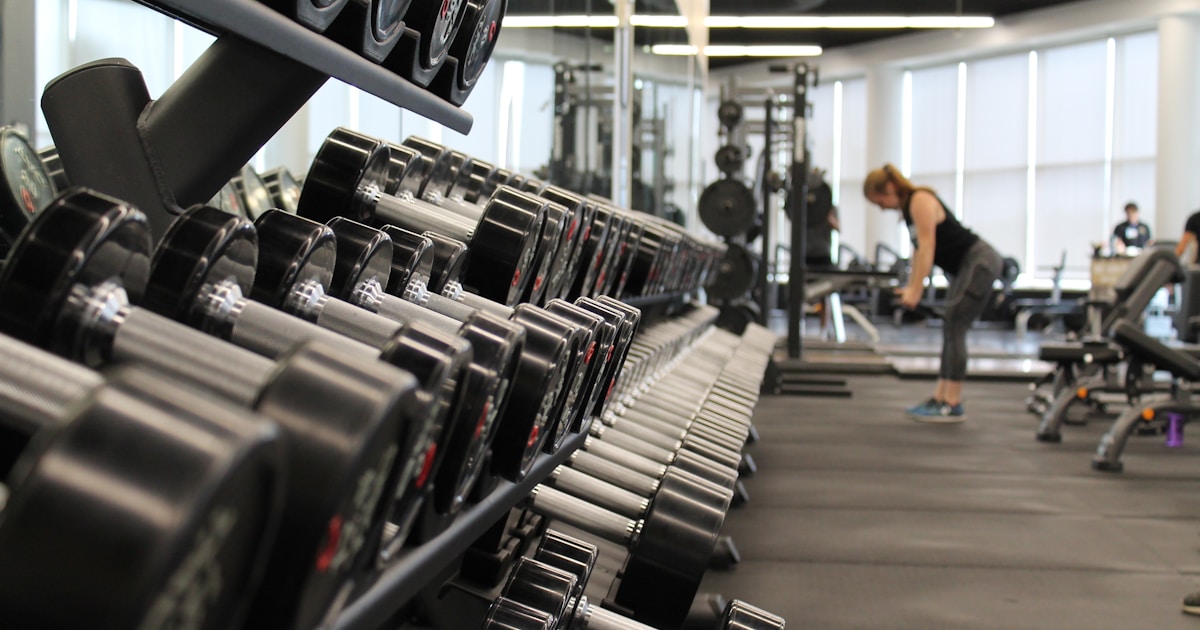
You can spend $200 on a single pair of dumbbells. Or you can spend $200 and build a home gym that covers strength, conditioning, mobility, and core work. Here's the smarter path.
I've tested budget gear for years now. Most of it is junk. But there are a few items that punch so far above their price point that they belong in every home gym, regardless of budget. These five are the ones that made the cut.
1. Resistance Bands ($10-15)
Dollar for dollar, resistance bands are the best training investment you can make. A five-pack gives you light to heavy resistance for warming up, strength training, rehab, and mobility work. They weigh nothing, they travel anywhere, and they last for years if you don't leave them in direct sunlight.
Use them for banded squats, pull-apart exercises, face pulls, lateral walks, and assisted stretching. If you could only buy one thing on this list, buy these.
Fit Simplify Resistance Loop Bands Set ($10-15)
The most versatile training tool under $15. Five levels of resistance for warming up, rehabbing, or torching your muscles anywhere.
Check Price on Amazon2. Adjustable Dumbbells ($60-120)
This is where most of your budget goes, and it should. A pair of adjustable dumbbells in the 5-25 lb range covers most people for upper body work. The spinlock style is cheapest and works fine. If you can stretch to Bowflex SelectTech, the quick-change system is worth the premium.
Don't buy fixed dumbbells individually. The math never works out. One adjustable pair replaces five or six fixed pairs and takes up a fraction of the space.
3. Pull-Up Bar ($25-35)
Pull-ups are the single best upper body exercise. A doorway bar gives you pull-ups, chin-ups, hanging leg raises, neutral grip rows, and dead hangs for grip strength and shoulder health. No drilling, no permanent installation, and you can take it down between sets if your doorway gets traffic.
Look for one rated to at least 300 lbs with multiple grip positions. The foam padding matters more than you think after your third set.
Iron Age Pull Up Bar for Doorway ($25-35)
Transform any doorframe into a pull-up station. Simple, effective, and built to handle your heaviest sets.
Check Price on Amazon4. Ab Roller ($10-20)
The ab roller is one of those pieces of equipment that looks simple until you try it. It's arguably the most effective core exercise you can do, and EMG studies back that up. The rollout hits your rectus abdominis, obliques, and even your lats and shoulders as stabilizers.
Start from your knees. Seriously. Full rollouts from standing are an advanced move that most people aren't ready for. Get a wheel with a wide base if you're a beginner. The narrow ones require more stability.
5. Yoga Mat ($15-25)
Not just for yoga. A thick mat (6mm or more) is your foundation for stretching, bodyweight exercises, core work, and foam rolling. Working out on a hard floor without one is a great way to bruise your spine and hate training.
Get a mat that's at least 6 feet long. The cheap 4-foot mats are useless for anything involving lying down. PVC mats are the most durable. TPE mats are lighter and more eco-friendly but wear out faster.
What You Don't Need (Yet)
Skip the weight bench until you've outgrown floor presses. Skip the kettlebell unless you already know how to swing one properly. Skip the treadmill entirely. Go outside.
The biggest mistake people make with home gyms is buying too much too soon. Start with these five items, train consistently for three months, and then figure out what you actually need next based on the gaps in your training.
Sample $200 Budget Breakdown
- Resistance bands (5-pack) - $12
- Adjustable dumbbells (pair) - $80-120
- Doorway pull-up bar - $30
- Ab roller - $15
- Yoga mat (6mm) - $20
Total comes in between $157 and $197 depending on which dumbbells you grab. That leaves room for a jump rope if you want to add cardio, or a foam roller for recovery days.
The Bottom Line
A $200 home gym won't replace a fully equipped commercial gym. But it covers 80% of what most people need for general fitness, strength building, and staying healthy. The other 20% is consistency, and no amount of equipment fixes that.